メタルランドスケープエッジング
卸売ステンレス鋼の風景エッジング
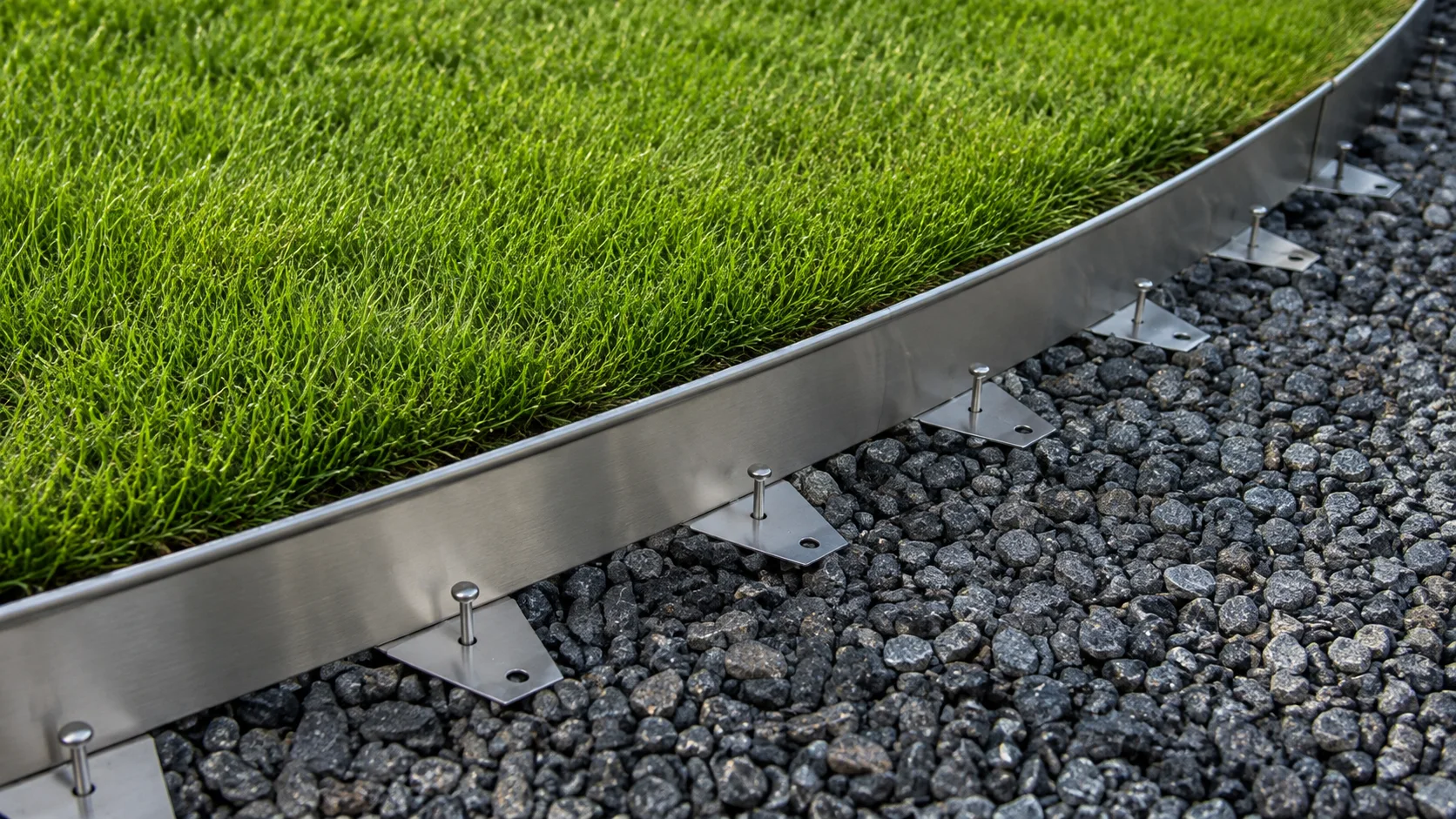
ステンレス鋼の景観エッジは、芝生、砂利、植栽床、小道、木の穴の間に清潔で耐久性のある境界を作成します。 1 メートルのセクションでは、機械的固定用に折り畳まれた上端と穴の開いた水平アンカー タブを備えた直立バリアが使用されます。 EcoYardSupply は、50 / 80 / 100 mm の高さ、ベース幅 50 mm の検証済みの 201 および 304 ステンレス鋼構成にわたるプロジェクトおよび卸売の問い合わせをサポートします。 0.5 mm ゲージと選択された仕上げ。
代表的な用途
- 芝生と砂利、および芝生と植床の分離
- 樹木周囲の囲いと湾曲した景観境界線
- 公園、住宅地、公共空間の緑化
- 庭の小道、舗装された端、装飾的な石の封じ込め
- スリムな金属仕上げが必要な商業景観プロジェクト
検証済みの構成範囲
| 材質グレード | 201 ステンレススチール / 304 ステンレススチール |
|---|---|
| セクションの長さ | 1 m |
| 垂直高さ | 50 mm / 80 mm / 100 mm (5 cm / 8 cm / 10 cm) |
| 水平ベース幅 | 50 mm (5 cm) |
| 公称ゲージ | 0.5 mm |
| 梱包 | 3 つのプロファイルすべての 20 個/パック |
| 梱包重量 | 7.8 kg (50 mm H) / 9.7 kg (80 mm H) / 12 kg (100 mm H) |
| 仕上げオプション | 自然なステンレススチール仕上げ。検討した範囲に示されている、選択されたブラック仕上げの構成 |
| ベースデザイン | 固定穴があらかじめ開けられた三角形のアンカータブが繰り返されています。 |
| 固定具 | 適合するネジ/ピンは、レビューされた構成とともにリストされます。 RFQ でタイプと数を確認する |
| MOQとリードタイム | グレード、プロファイル、仕上げ、注文数量、梱包要件、目的地別に見積 |
構成メモ: 3 つの標準プロファイルは、1 m 長さ、50 mm ベース幅、および 0.5 mm ゲージを共有します。高さのオプションは、50 mm、80 mm、100 mm です。サンプルまたは一括承認の前に、グレード、仕上げ、梱包を確認してください。
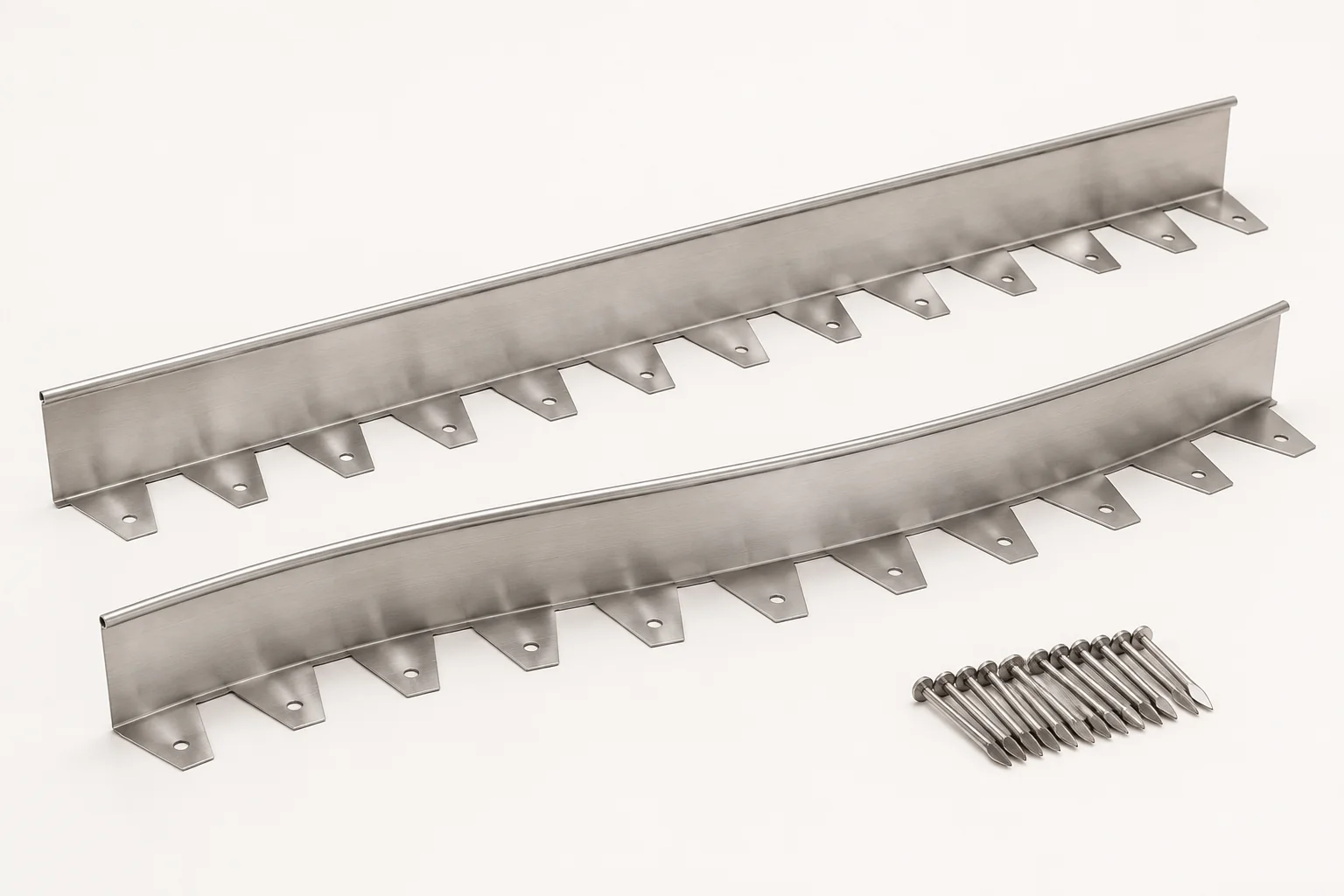
代表的な直線および曲線のエッジ部分。最終的なハードウェアは承認された見積書に従います。
適切な金属エッジングプロファイルの選択
プロファイルの選択は、暴露環境、必要な可視高さ、予想される地面の動き、曲線半径、下地から始める必要があります。 3 つの標準プロファイルはすべて、50 mm ベースと 0.5 mm ゲージを使用します。 50 mm、80 mm、100 mm の高さを選択すると、設置面積を変えることなく、目に見える分離とパックの重量が変わります。
201 対 304 ステンレス鋼
| 選択要因 | 201 ステンレススチール | 304 ステンレススチール |
|---|---|---|
| 調達ポジション | 曝露条件が見直されたプロジェクト向けのコスト管理されたオプション | より広範な屋外耐食性が必要な場合に推奨されるオプション |
| ベストプラクティス | 承認前に気候、灌漑、解氷塩、メンテナンス条件を確認する | 塩化物、海岸暴露、化学物質、滞留水分を引き続き評価します |
| 購入者向け文書 | 注文書にグレードを指定し、材質確認を依頼する | 304 を明示的に指定します。外観のみに頼ってグレードを確認しないでください |
ステンレスグレードは性能の一部にすぎません。排水、土壌の化学的性質、異種金属との接触、設置およびメンテナンス時の表面汚染はすべて、設置結果に影響を与える可能性があります。塩分濃度の高い場所、海岸沿い、化学的に攻撃的な場所の場合は、プロジェクト エンジニアに必要な合金と仕上げを確認するよう依頼してください。
高さ、ベース幅、ゲージ
- 50 mm 高さ (5 cm): 舗装端、芝生、装飾面の目立たない視覚的分離。 20 個/パック、約7.8 kg / パック。
- 80 mm 高さ (8 cm): 植栽の境界線と小道の端の中間の高さの分離。 20 個/パック、約9.7 kg / パック。
- 100 mm 高さ (10 cm): より深く目に見える分離が必要なデザイン。構造擁壁ではありません。 20 個/パック、約12 kg / パック。
- 50 mm ベース (5 cm): 3 つのプロファイルすべてでフットプリントを共有し、一貫した固定領域を実現します。
- 0.5 mm ゲージ: 段階的な成形のための共有シート厚さと、範囲全体での単位重量の制御。
商業景観アプリケーション
スリムなステンレスフェイスは、バイヤーがプラスチックコイルよりも建築的な仕上げを望む風景の細部に適しています。一般的なプログラムには、公園、住宅開発、ホテルの敷地、公共広場、園芸センターのプロジェクト供給、請負業者主導のツリーピットや小道のパッケージが含まれます。
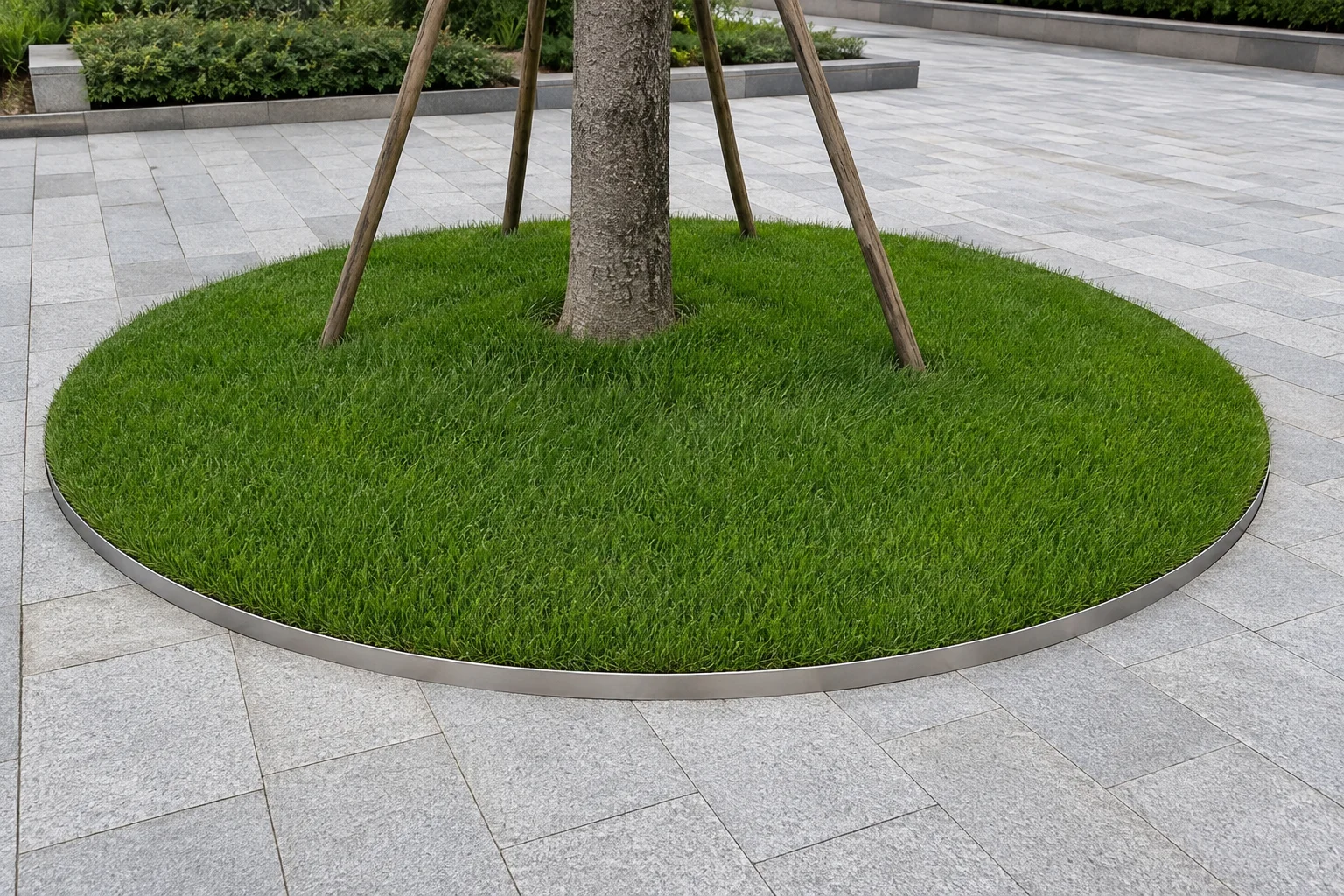
アンカーシステムが周囲の表面の下に隠された完成した樹木周囲の囲いアプリケーション。
卸売およびプロジェクト供給
EcoYardSupply は、一般的な単価ではなく、承認された構成に基づいてステンレス鋼エッジングの問い合わせを準備しています。グレード、垂直高さ、ベース幅、ゲージ、仕上げ、固定金具によって、製品と梱包計画は大きく変わります。プロジェクトの数量と 1 メートルのセクションの数を直線メートル単位で共有し、見積書に継ぎ目、切断、曲線、および妥当な敷地許容量を考慮できるようにします。
販売代理店とプロジェクトバイヤーの場合、プロファイルの選択、黒仕上げのオプション、固定セット、ニュートラルまたはプライベートラベルのカートン、パレットの保護、混合製品の輸出調整などのプログラムに関するディスカッションが可能です。カスタム寸法または仕上げには、実現可能性のレビューと承認されたサンプルが必要です。これらは標準範囲から想定されていません。
RFQ に含めるステンレスのグレード、断面プロファイル、ゲージ、仕上げ、総リニア メーター、対象用途、関連する場合は曲線半径、固定基材、梱包要件、目的地ポート、および要求される配送期間。
sales@ecoyardsupply.com に電子メールを送信するか、卸売問い合わせフォームを使用してください。 MOQ、サンプル、生産タイミング、インコタームズはプロジェクトの見積書で確認されます。
設置計画
- 現場の詳細を確認します。 掘削や修正を行う前に、完成したラインに印を付け、レベル、排水、灌漑、ケーブル、公共設備、目に見える根を確認します。
- 下地を準備します。 緩んだ材料を取り除き、指定されたピンまたはネジに適した安定した水平な固定ゾーンを作成します。
- 緩やかな曲線を安全に成形します。 適切な成形ツールと保護手袋を使用してください。達成可能な半径は、選択したグレード、ゲージ、高さ、ベース幅によって異なります。承認された方法なしに、無理に急なカーブを作らないでください。
- 仕上がり高さを設定します。トップ ラインを一定に保ち、車輪、メンテナンス ツール、歩行者がエッジに当たる可能性のある不要な突起を避けます。
- タブを固定します。 土壌または下地に適した金具を使用して、あらかじめ開けられた穴を通して固定します。ジョイント付近に固定点を追加し、プロジェクトの内容に応じて方向を変更します。
- 仕上げと検査。 セクションの端を揃え、指定に従って露出した切断端を保護し、隣接する表面を修復し、沈下または荒天後にラインを検査します。
安全上の注意: 板金の端や切り口は鋭利になっている場合があります。取り付けは手袋、保護眼鏡、ステンレス鋼に適した工具を使用して行ってください。現場エンジニアまたは資格のある設置者は、公共エリア、舗装エリア、傾斜エリア、または交通量の多いエリアの固定方法を決定する必要があります。
FAQ — ステンレス鋼製景観エッジング
Q: どのステンレス鋼グレードが利用可能ですか?
A: レビュー対象の範囲には、201 および 304 ステンレス鋼が含まれます。品位、表面仕上げ、暴露環境などを見積書・発注書にてご確認ください。
Q: どのようなプロファイル サイズをリクエストできますか?
A: 確認済みのオプションでは、ベース幅 50 mm、高さ 50 / 80 / 100 mm、ゲージ 0.5 mm の 1 メートルのセクションを使用します。各プロファイルは、カートンあたり 20 個を梱包します。おおよその梱包重量は、7.8 kg、9.7 kg、12 kgです。グレードと仕上げの入手可能性はRFQで確認する必要があります。
Q: エッジングで曲線や樹木周囲の囲いを形成できますか?
A: はい、適切な構成では緩やかな曲線を形成できます。剛性がグレード、ゲージ、プロファイルの寸法によって変化するため、狭い半径の場合はサンプルまたは成形トライアルが必要です。
Q: 固定ネジは付属していますか?
A: レビューされた構成には、一致するネジがリストされています。承認された部品表で、ハードウェアのタイプ、数量、土壌または下地との適合性を確認してください。
Q: 黒仕上げは利用できますか?
A: 選択した黒色の構成がレビュー範囲に表示されます。仕上げの入手可能性を確認できるように、必要な色、ステンレスグレード、プロファイル、数量を明記してください。
Q: この製品は擁壁または認定された根のバリアですか?
A: 普遍的な構造やルートバリアに関する主張は行われません。縁取りは景観材料を分離し、浅い成長を妨げることができますが、負荷と攻撃的な根を保持するには、プロジェクト固有の設計システムが必要です。
Q: ステンレス鋼にはメンテナンスが必要ですか?
A: 接合部、位置合わせ、固定具、排水、表面の汚れを定期的に検査してください。必要なメンテナンス間隔は、気候、土壌化学、塩分、灌漑、敷地の使用状況によって異なります。
Q: MOQ とリードタイムはどれくらいですか?
A: グレード、プロファイル、仕上げ、数量、カスタマイズ、梱包によって異なります。プロジェクト固有の見積もりのために、完全な構成と宛先を送信します。
Q: サンプルを注文できますか?
A: 承認する予定の正確なグレードとプロフィールを尋ねます。サンプルの入手可能性、コスト、運賃は問い合わせ時に確認されます。
注文前にエッジ素材を比較してください
より広範な選択基準については、プラスチック製と金属製のランドスケープ エッジング ガイド および卸売のランドスケープ エッジング購入ガイドをお読みください。この製品をフレキシブル PE 掘削不要景観エッジング キットと比較することもできます。
卸売連絡先
ステンレスのグレード、高さ、ベース幅、ゲージ、仕上げ、リニアメーターの数量、および宛先を sales@ecoyardsupply.com まで送信してください。私たちのチームは、利用可能な構成、サンプルルート、MOQ、梱包、リードタイムを確認します。